Blog
Do Brain Supplements Work? What Studies Show
Do brain supplements work? In healthy people, studies have not shown that any brain supplement protects thinking or prevents decline. Ginkgo, omega-3 and B vitamins were each tested and came up short. The few clear gains come from fixing a true nutrient shortage, which a blood test can find.
Written by the Synaptril label deskUpdated · 4 min read
The short answer01
Do brain supplements work in healthy people?
Brain supplements have not been shown to work in healthy people. NCCIH, the NIH center for complementary health, finds no supplement with conclusive evidence against cognitive decline (NCCIH, Supplements and cognition).
Harvard Health reports that about one in four adults over 50 take one anyway, while an expert it quotes says no ingredient has been shown to prevent memory loss (Harvard Health, Brain supplements).
Many people buy brain supplements. Very little is proven. Keep both facts in view.
What was tested02
Which brain supplements have been tested in large studies?
Ginkgo has the largest test among the popular names. In the GEM study, over 3,000 older adults took ginkgo 120 mg twice daily for almost six years, and had no lower dementia rate than placebo (Harvard Health, Brain supplements).
| Supplement | Result |
|---|---|
| Ginkgo | No lower dementia rate or slower decline (NCCIH, Supplements and cognition) |
| Omega-3 | No convincing benefit (NCCIH, Supplements and cognition) |
| Vitamin E | No evidence it stops progression from mild impairment to dementia (NCCIH, Supplements and cognition) |
| B vitamins | No cognitive benefit over 6 to 24 months (NCCIH, Supplements and cognition) |
Harvard Health notes that eating fish is linked to lower risk of decline, but fish oil capsules have not shown the same effect (Harvard Health, Brain supplements).
Smaller trials03
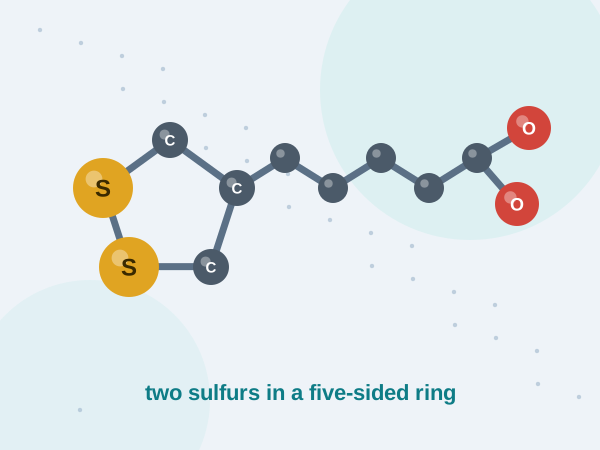
What about ingredients in Synaptril, such as alpha lipoic acid?
The ingredients in Synaptril have small or mixed research, and none of it covers this capsule.
Alpha lipoic acid was studied at 600 mg a day in small Alzheimer's studies, and the Linus Pauling Institute calls the evidence too limited to conclude anything (Linus Pauling Institute, Lipoic acid). Cochrane found no trials of it for dementia (Cochrane, Alpha-lipoic acid dementia).
The CoQ10 review found eight trials with mixed results (Nankivell 2025, CoQ10 and cognition). Butcher's broom has data for veins only, not for thinking (MSKCC, Butcher's broom). A 575 mg blend shared among six ingredients cannot hold a studied dose of ALA, so a trial of 600 mg does not map onto it.
Synaptril: from $49 a bottle30 capsules · 2, 3 or 6 bottles · free shipping on 3 or 6 · 60-day guarantee
See packsWhat to do04
What should you do if you want to support your brain?
Start with habits that have support: activity, sleep, blood pressure, hearing and social contact (CDC, Reducing risk for dementia)(Lancet Commission 2024, Dementia).
CDC suggests 150 minutes of activity a week (CDC, Reducing risk for dementia). The Lancet Commission says about 45 percent of dementia cases could potentially be prevented or delayed if 14 risk factors were removed (Lancet Commission 2024, Dementia).
Keep taking prescribed medicine, and ask a doctor about any supplement. See a doctor soon if memory changes are new or getting worse. Read more in the guides and on the benefits page.
FAQ05
Do brain supplements work: questions
What was the GEM study?
GEM was a large ginkgo trial. More than 3,000 older adults took ginkgo 120 mg twice daily for almost six years. Their dementia rate was no lower than the placebo group's. It is one of the largest tests of a popular brain supplement.
Do fish oil capsules protect the brain like eating fish?
Not as far as tested. Eating fish is linked to lower risk of cognitive decline, but fish oil supplements have not shown the same effect. Cochrane reviews found no convincing benefit from omega-3 capsules in older adults without dementia.
Is there any brain supplement that clearly helps?
Only for a shortage. Low vitamin B12 or B1 can cause memory trouble, and correcting it helps. The AARP brain council makes the same point. For people with normal levels, no supplement has conclusive evidence.
Can a brain supplement cause harm?
It can. Turmeric extracts have been linked to liver injury, and alpha lipoic acid can lower blood sugar. Magnesium causes diarrhea at high doses. Natural does not always mean safe, so read each ingredient's public fact sheet.
Why do people say their brain supplement works?
Sleep, mood and routine can shift at the same time, and expectations color how we rate ourselves. Only controlled trials can separate those effects from the product. That is why anecdotes carry little weight for health claims.
Are brain supplements regulated like medicine?
No. FDA does not approve supplements before sale, and the maker is responsible for safety and for backing its claims. Front-label wording about a body function must carry a notice that FDA has not evaluated it.
Who wrote this06
Written and reviewed by
Pages built from the label, the sales page and linked NIH, FDA, CDC, FTC and peer-reviewed sources.
Last updated . See our editorial standards and how we check reviews. This website is run by Getsynaptril, a stocked U.S. Synaptril counter, not by the manufacturer or the distributor. We are paid when you buy through our order links.
Keep reading
More Synaptril pages
Stocked U.S. Synaptril counter
Ready to try Synaptril?
Check your medicines first, then pick a pack. Three or six bottles ship free and cost less per bottle, and every pack carries the 60-day money-back guarantee.
- Secure BuyGoods checkout
- 60-day money-back guarantee
- Ships from the U.S.