Guide
Brain Fog Causes: Sleep, Stress, Hormones, Medicines and More
Brain fog causes include short sleep, poor nutrition, stress, hormone changes such as pregnancy or menopause, low blood sugar, diabetes, anxiety, depression, ADHD, long COVID and chemotherapy. Brain fog is not a diagnosis. It is a group of symptoms, such as forgetfulness and slow thinking, that is usually temporary and often clears once the cause is found.
Written by the Synaptril label deskUpdated
First things first01
What is brain fog?
Brain fog is a common group of symptoms that affect thinking, memory and concentration. It is a description, not a disease.
Cleveland Clinic lists confusion, forgetfulness, slow reactions and losing your train of thought among the usual signs. Most of the time it is temporary (Cleveland Clinic, Brain fog).
Because so many things can cause it, the useful question is not "what is brain fog?" but "what is causing mine?". The answer is often something you can change, such as sleep, or something a doctor can test for.
Fog tends to come and go with sleep, stress, illness or a new medicine. The slow changes of aging are different; see memory and aging.
Causes02
What causes brain fog?
The most common brain fog causes are lack of sleep, poor nutrition and stress. Hormone shifts, blood sugar problems, mood conditions and some illnesses and treatments are also on the list.
Cleveland Clinic groups the causes into everyday factors and medical conditions (Cleveland Clinic, Brain fog). More than one can be at work at once.
| Cause | What it looks like | First step |
|---|---|---|
| Short or poor sleep | Foggy mornings, worse after late nights | Aim for 7 or more hours on a steady schedule (CDC, About Sleep) |
| Stress | Racing thoughts, trouble settling to a task | Notice when it peaks; talk to someone if it lasts |
| Poor nutrition | Fog after skipped meals or on a narrow diet | Regular meals; ask about a vitamin B12 test (MedlinePlus, Memory loss) |
| Hormone changes | Fog in pregnancy or around menopause | Raise it with your doctor or midwife |
| Diabetes or low blood sugar | Fog that follows meals or long gaps without food | Check blood sugar if you have diabetes; see a doctor |
| Anxiety, depression, ADHD | Fog alongside low mood, worry or restlessness | These are treatable: book a visit |
| Long COVID, chemotherapy, autoimmune illness | Fog after an infection or during treatment | Tell the team caring for you |
Causes from Cleveland Clinic (Cleveland Clinic, Brain fog). First steps are general suggestions, not a diagnosis.
Sleep03
How does sleep affect brain fog?
Short sleep is one of the most common causes of brain fog. CDC says good sleep supports attention and memory, and recommends at least 7 hours a night for adults up to 60.
The target shifts a little with age: 7 to 9 hours for ages 61 to 64, and 7 to 8 hours from 65 on (CDC, About Sleep). A steady schedule, a cool and quiet bedroom and no screens for 30 minutes before bed all help.
Large meals, alcohol and caffeine late in the day can also cut into sleep. If poor sleep goes on for weeks despite good habits, CDC advises talking to a provider (CDC, About Sleep).
Medical causes04
Which health conditions and medicines can cause brain fog?
Diabetes, low blood sugar, autoimmune conditions, anxiety, depression, ADHD, long COVID and chemotherapy can all cause brain fog, as can hormone changes in pregnancy and menopause.
Cleveland Clinic names each of these (Cleveland Clinic, Brain fog). For memory problems more broadly, MedlinePlus adds prescription medicines, alcohol, low vitamin B1 or B12 and head injury. Doctors may also test for thyroid disease (MedlinePlus, Memory loss).
A new medicine that lines up with new fog is worth mentioning at your next visit. So is a supplement. Supplements can interact with medicines, and some products sold as supplements have contained hidden drugs (NCCIH, Using supplements wisely).
Never stop or change a prescribed medicine because you think it causes fog. Ask the prescriber what to do. Sudden confusion, trouble speaking or weakness on one side is an emergency: call 911.
Track it05
How can you find the cause of your brain fog?
Track it for two weeks. A short daily note on sleep, meals, stress and fog level often shows the pattern faster than guessing.
One line a day is enough. Bring the notes to a doctor if the pattern stays unclear.
Rate the fog
Use 0 for clear and 5 for very foggy. Note the time of day it is worst.
Log sleep and meals
Hours in bed, rough wake time, and whether you ate breakfast and lunch.
Mark the extras
Alcohol, a hard day, a new pill or supplement, a cold or other illness.
Look back after 14 days
Do foggy days follow short nights or skipped meals? Change one thing and keep logging.

Synaptril: from $49 a bottle30 capsules · 2, 3 or 6 bottles · free shipping on 3 or 6 · 60-day guarantee
See packsWhen to go06
When does brain fog need a doctor?
See a doctor when brain fog disrupts daily life, such as often forgetting appointments or struggling with ordinary tasks.
That is Cleveland Clinic's advice (Cleveland Clinic, Brain fog). Also go if fog lasts for weeks with no clear cause or keeps getting worse.
A doctor can order simple tests, such as vitamin B12 and thyroid levels, and review your medicines (MedlinePlus, Memory loss). Many causes are treatable once found.
Supplements07
Can a supplement like Synaptril clear brain fog?
No supplement is proven to clear brain fog, and no trial has tested Synaptril. Fixing the cause, such as sleep or a low B12 level, is the step with real support.
Synaptril is a once-a-day capsule with 80 mg of magnesium from magnesium glycinate and a 575 mg blend. The other five blend ingredients are alpha lipoic acid, butcher's broom, L-carnitine, turmeric and CoQ10. NCCIH finds no supplement proven for cognitive decline (NCCIH, Supplements and cognition), and a review of eight CoQ10 trials on thinking found mixed results (Nankivell 2025, CoQ10 and cognition).
The blend math also matters. Magnesium glycinate is only about 14% magnesium, so 80 mg of magnesium takes about 570 mg of it (Magnesium glycinate, Mg content). Even in a generous case, the other five share at most 175 mg, far below the doses studied.
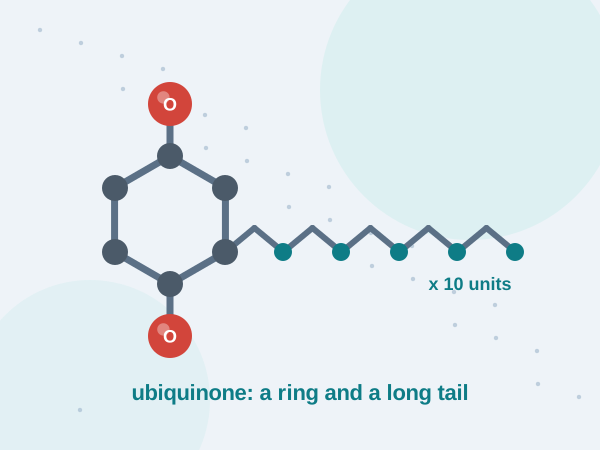
Read more on CoQ10 and the full ingredient list.
If you try it08
What should you check before trying Synaptril for brain fog?
Check your medicines first. Synaptril's ingredients can matter for people on warfarin, diabetes medicine, some antibiotics or osteoporosis drugs.
CoQ10 may counteract warfarin (MSKCC, Coenzyme Q10). Alpha lipoic acid may lower blood sugar (Linus Pauling Institute, Lipoic acid). Magnesium should be taken 2 hours apart from bisphosphonates, and tetracycline or quinolone antibiotics need a gap too (NIH ODS, Magnesium). The label excludes anyone under 18, and pregnant or nursing mothers.
Prices run from $49 to $89 a bottle depending on the pack, with a 60-day money-back guarantee. See supplements and medicines before you order.
FAQ09
Brain fog questions
What does brain fog feel like?
Brain fog feels like slow, cloudy thinking. Common signs are confusion, forgetfulness, slow reactions and losing your train of thought mid-sentence (Cleveland Clinic, Brain fog). It is usually temporary and tends to ease once the cause, such as poor sleep, is dealt with.
Can poor sleep cause brain fog?
Yes. Lack of sleep is one of the most common causes (Cleveland Clinic, Brain fog). CDC says good sleep supports attention and memory and recommends at least 7 hours a night for adults (CDC, About Sleep). A few weeks of steady sleep is a fair test before looking for other causes.
Can thyroid problems cause brain fog?
Thyroid disease is one thing doctors check with a blood test when memory or thinking changes have no clear cause (MedlinePlus, Memory loss). Only a test can tell. If you already take thyroid medicine, keep taking it as prescribed and mention the fog at your next visit.
Is brain fog a symptom of menopause?
It can be. Cleveland Clinic lists hormone changes, including menopause and pregnancy, among the causes of brain fog (Cleveland Clinic, Brain fog). Poor sleep from night sweats can add to it. Raise it with your doctor, who can look at the full picture.
Can medications cause brain fog?
Yes. Prescription medicines are a known cause of memory problems (MedlinePlus, Memory loss), and chemotherapy is a known cause of brain fog (Cleveland Clinic, Brain fog). If fog began with a new medicine, tell the prescriber. Do not stop the medicine on your own.
Does Synaptril contain anything for brain fog?
Synaptril lists magnesium, alpha lipoic acid, butcher's broom, L-carnitine, turmeric and CoQ10. None has proven evidence for brain fog, and no trial has tested the capsule. The label's claims, such as "Boosts Mental Energy*", have not been evaluated by FDA.
Who wrote this10
Written and reviewed by
Pages built from the label, the sales page and linked NIH, FDA, CDC, FTC and peer-reviewed sources.
Last updated . See our editorial standards and how we check reviews. This website is run by Getsynaptril, a stocked U.S. Synaptril counter, not by the manufacturer or the distributor. We are paid when you buy through our order links.
Keep reading
More Synaptril pages

Stocked U.S. Synaptril counter
Ready to try Synaptril?
Check your medicines first, then pick a pack. Three or six bottles ship free and cost less per bottle, and every pack carries the 60-day money-back guarantee.
- Secure BuyGoods checkout
- 60-day money-back guarantee
- Ships from the U.S.