Guide
Brain Health Habits: 14 Risk Factors You Can Change
Brain health habits are everyday choices linked to lower dementia risk: moving 150 minutes a week, sleeping 7 hours or more, treating hearing loss, managing blood pressure and diabetes, not smoking and staying social. The 2024 Lancet Commission names 14 changeable risk factors and estimates about 45 percent of dementia cases might be prevented or delayed. No supplement is on the list.
Written by the Synaptril label deskUpdated
The basics01
What are brain health habits?
Brain health habits are the daily choices that public health experts link to a lower risk of dementia and better thinking as you age.
They are not exotic. Moving more, sleeping enough, eating well, staying in touch with people and keeping long-term conditions under control make up most of the list (Mayo Clinic, Memory tips).
The strongest summary comes from the 2024 Lancet Commission. It names 14 risk factors that can be changed and estimates that about 45 percent of dementia cases could be prevented or delayed if all were removed (Lancet Commission 2024, Dementia). That is a population estimate, not a promise for one person.
The 14 factors02
Which 14 risk factors for dementia can you change?
The 14 factors are low education, hearing loss, high blood pressure, smoking, obesity, depression and inactivity. The rest are diabetes, heavy drinking, head injury, air pollution, isolation, high LDL cholesterol and untreated vision loss.
LDL cholesterol in midlife and vision loss in later life were added in the 2024 report (Lancet Commission 2024, Dementia). Some factors matter most at certain ages, from schooling in early life to isolation and eyesight later on.
The wheel groups each factor by the life stage where it matters most.
- Less educationEarly life
- Hearing lossMidlife
- High LDL cholesterolMidlife
- DepressionMidlife
- Head injuryMidlife
- Physical inactivityMidlife
- DiabetesMidlife
- SmokingMidlife
- High blood pressureMidlife
- ObesityMidlife
- Too much alcoholMidlife
- Social isolationLater life
- Air pollutionLater life
- Untreated vision lossLater life
The 2024 Lancet Commission lists 14 factors and estimates that close to half of dementia cases might be prevented or delayed by addressing them (Lancet Commission 2024, Dementia). No supplement is on the list.
Every day03
What daily habits support brain health the most?
The daily habits with the best support are regular movement, enough sleep, social contact and keeping blood pressure, blood sugar and hearing in check.
CDC's list of steps that may lower dementia risk includes 150 minutes of activity a week, managing diabetes and blood pressure, treating hearing loss, drinking in moderation and quitting smoking (CDC, Reducing risk for dementia).
A simple shape for the day helps. The dial below shows one, with sleep, a walk and a morning routine.
- Breakfast, about 8:00
One capsule with a meal. The label names no time; tying it to breakfast makes a missed day easy to spot.
- Move most days
Adults are advised to get 150 minutes of moderate activity a week plus two days of muscle work.
- Keep the basics in check
Blood pressure, hearing and blood sugar are on the list of 14 risk factors linked to dementia.
- Night, 7 hours or more
Adults need at least 7 hours. Short sleep blurs focus the next day more than any capsule can fix.
Activity guidance from HHS (HHS, Physical Activity Guidelines), sleep from CDC (CDC, About Sleep), risk factors from the Lancet Commission (Lancet Commission 2024, Dementia). Treat the capsule time as a suggestion and follow your label.
| Habit | Target | Source |
|---|---|---|
| Aerobic activity | 150 to 300 minutes a week of moderate effort, such as brisk walking | HHS (HHS, Physical Activity Guidelines) |
| Strength work | Muscle-strengthening on at least 2 days a week | HHS (HHS, Physical Activity Guidelines) |
| Sleep | 7 hours or more for adults up to 60; 7 to 8 hours from 65 | CDC (CDC, About Sleep) |
| Hearing | Get tested; treat hearing loss | CDC (CDC, Reducing risk for dementia) |
| Blood pressure and diabetes | Prevent or manage with your doctor | CDC (CDC, Reducing risk for dementia) |
| Smoking and alcohol | Quit smoking; drink only in moderation | CDC (CDC, Reducing risk for dementia) |
Activity04
How much exercise supports brain health?
Adults need at least 150 to 300 minutes a week of moderate activity, such as brisk walking, plus muscle-strengthening work on two days.
The HHS guidelines say activity lowers the long-term risk of dementia, including Alzheimer's disease. It also eases anxiety and depression, improves sleep quality and lowers the risk of falls (HHS, Physical Activity Guidelines).
Thirty minutes on five days reaches 150. Harvard Health points to regular aerobic exercise as a better use of effort than any brain supplement (Harvard Health, Brain supplements).
Mind and people05
Do learning and social contact help memory?
Yes, both are on expert lists. Mayo Clinic's memory tips include staying mentally active and seeing people. Social isolation is a Lancet risk factor.
Low education in early life is also one of the 14 (Lancet Commission 2024, Dementia). Mayo Clinic suggests keeping the mind busy in later life too, and making time for others (Mayo Clinic, Memory tips).
A class, a club or a weekly call with a friend all count. Pick something you will still be doing in six months.
Keep learning
Try a skill with real steps: a language, an instrument, a new recipe each week.
Keep in touch
Put people on the calendar. Isolation is a listed risk factor (Lancet Commission 2024, Dementia), and a fixed weekly plan is easier to keep.
Synaptril: from $49 a bottle30 capsules · 2, 3 or 6 bottles · free shipping on 3 or 6 · 60-day guarantee
See packsAlcohol06
How does alcohol affect memory?
Heavy drinking is linked to memory problems and dementia. Alcohol is a listed cause of memory loss, and excessive alcohol use is one of the 14 Lancet risk factors.
MedlinePlus lists alcohol among the causes of memory loss (MedlinePlus, Memory loss). CDC advises drinking only in moderation as a step that may lower dementia risk (CDC, Reducing risk for dementia). Alcohol late in the evening can also cut into sleep (CDC, About Sleep).
If you drink most days, a few alcohol-free nights a week is a practical first change. Talk to a doctor if cutting back is hard.
Supplements07
Can a supplement replace healthy habits?
No. No supplement is proven to prevent memory decline, and none appears on the Lancet, CDC or Mayo Clinic lists.
The Global Council on Brain Health does not recommend any supplement for brain health and advises getting nutrients from a healthy diet (AARP GCBH, Brain health supplements). NCCIH finds no supplement with conclusive evidence for preventing cognitive decline (NCCIH, Supplements and cognition). Fixing a measured deficiency, such as low B12, is the main exception.
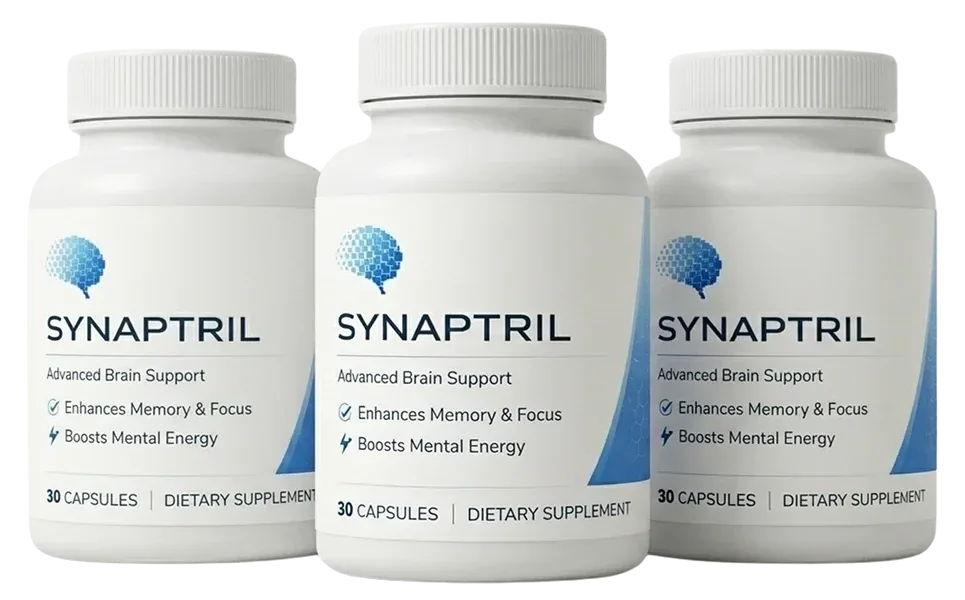
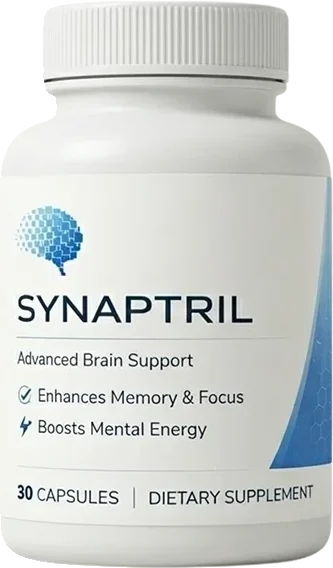
Synaptril is a once-a-day capsule with 80 mg of magnesium and a 575 mg blend. If you take it, take it alongside habits, never instead of them. See how to take it.
Before adding any capsule
Check with a doctor or pharmacist if you take warfarin, diabetes medicine, antibiotics or an osteoporosis drug. CoQ10 may counteract warfarin (MSKCC, Coenzyme Q10), and magnesium can block some antibiotics and bisphosphonates when taken together (NIH ODS, Magnesium).

Blood pressure, cholesterol and diabetes medicines treat several of the 14 risk factors. Never stop or change them because you started a supplement. New or worsening memory problems need a doctor, since many causes are treatable (MedlinePlus, Memory loss).
Start small08
How do you build brain health habits that last?
Start with one habit, tie it to something you already do, and keep it for a month before adding the next.
Small, fixed cues work better than big plans. A walk after lunch is easier to keep than a vague goal to exercise more.
Pick one
Choose the habit with the biggest gap for you: often activity, sleep or a hearing test.
Anchor it
Walk after lunch, set a fixed bedtime, call a friend every Sunday.
Check the basics
Ask your doctor to check blood pressure, blood sugar and cholesterol at your next visit.
Review in 30 days
Keep what stuck, then add the next habit.
Next, read memory and aging or brain fog causes.
FAQ09
Brain health habit questions
What daily habits help memory the most?
Regular activity, 7 or more hours of sleep, staying social and keeping blood pressure, blood sugar and hearing in check have the strongest backing (CDC, Reducing risk for dementia) (Mayo Clinic, Memory tips). Pick one to start, such as a daily brisk walk, and add others once it sticks.
Does diet matter for brain health?
Yes. The Global Council on Brain Health says a healthy diet is the best way for most people to get brain-friendly nutrients (AARP GCBH, Brain health supplements). Harvard Health notes eating fish is linked to lower risk of cognitive decline, though fish oil pills have not shown the same effect (Harvard Health, Brain supplements).
Does quitting smoking help the brain at any age?
Smoking is one of the 14 changeable risk factors for dementia (Lancet Commission 2024, Dementia), and CDC lists quitting as a step that may lower risk (CDC, Reducing risk for dementia). Your doctor can help you make a plan.
Is walking enough exercise for brain health?
Brisk walking counts as moderate activity, so 150 minutes a week meets the main aerobic target (HHS, Physical Activity Guidelines). Add muscle-strengthening work on two days, such as bands, weights or stairs, to cover the full adult guideline.
Can blood pressure affect memory later in life?
High blood pressure is one of the 14 risk factors for dementia (Lancet Commission 2024, Dementia), and CDC lists managing it as a step that may lower risk (CDC, Reducing risk for dementia). Regular checks with your doctor are the simplest step.
Should I take Synaptril instead of exercising?
No. Exercise has strong evidence for lowering long-term dementia risk (HHS, Physical Activity Guidelines). No trial has tested Synaptril, and no supplement is proven to prevent memory decline (NCCIH, Supplements and cognition). Any capsule belongs alongside habits, never in place of them.
Who wrote this10
Written and reviewed by
Pages built from the label, the sales page and linked NIH, FDA, CDC, FTC and peer-reviewed sources.
Last updated . See our editorial standards and how we check reviews. This website is run by Getsynaptril, a stocked U.S. Synaptril counter, not by the manufacturer or the distributor. We are paid when you buy through our order links.
Keep reading
More Synaptril pages
Stocked U.S. Synaptril counter
Ready to try Synaptril?
Check your medicines first, then pick a pack. Three or six bottles ship free and cost less per bottle, and every pack carries the 60-day money-back guarantee.
- Secure BuyGoods checkout
- 60-day money-back guarantee
- Ships from the U.S.