Guides
Brain Health Guides: Memory, Focus and Supplements
The Synaptril brain health guides are five plain-language explainers on memory and aging, brain fog, supplements with prescription drugs, nootropics versus adaptogens, and daily habits, plus side-by-side comparison pages. Each guide is written by the Synaptril label desk from public health sources, so you can judge any brain supplement, including Synaptril, with the facts in hand.
Written by the Synaptril label deskUpdated
All guides01
What are the Synaptril brain health guides?
The Synaptril brain health guides are five short explainers on how memory and focus work and where supplements fit. They sit beside the product pages, which cover the capsule itself.
Each guide answers one common question with sources you can open, mostly NIH, CDC and FDA pages. None of them sells. Where Synaptril comes up, we show its label next to the evidence.
| Guide | The question it answers | Good first read if you |
|---|---|---|
| Memory and aging | Which memory changes are normal with age, and which are not? | Worry about forgetting names or words |
| Brain fog causes | What makes thinking feel slow or cloudy? | Feel foggy after poor sleep, stress or illness |
| Supplements and medicines | Which brain supplement ingredients clash with drugs? | Take any prescription medicine |
| Nootropics vs adaptogens | What do these labels mean, and is Synaptril either one? | Are comparing supplement types |
| Brain health habits | Which daily habits have the strongest evidence? | Want changes that do not come in a bottle |
| Synaptril vs other brands | How do the labels of other brain supplements differ? | Are choosing between brands |
| Capsules, drops or gummies | Does the form of a supplement matter? | Are choosing a format |
Where to begin02
Where should I start if I'm new to brain supplements?
Start with memory and aging, then read supplements and medicines before you buy anything. Those two guides answer the questions that matter most for safety.
Most people who search for a brain supplement are reacting to a change they noticed. The first step is to know whether that change is common with age or worth a doctor visit. Many causes of memory trouble are treatable, such as low vitamin B12 or thyroid problems (MedlinePlus, Memory loss).
The second step is to check your medicines. Some common supplement ingredients can affect blood thinners, diabetes drugs or antibiotics.
Read memory and aging
Learn what normal forgetting looks like and when to see a doctor.
Read supplements and medicines
Check each ingredient against what you already take.
Read brain health habits
See the habits with the strongest evidence behind them.
Then look at any product
Compare its label and doses with the research, one line at a time.
Brain fog03
Which guide explains brain fog?
The brain fog causes guide explains it. Brain fog is a common, usually short-lived group of symptoms, such as forgetfulness, slow thinking and losing your train of thought (Cleveland Clinic, Brain fog).
It is not a diagnosis. Lack of sleep, stress, poor nutrition and hormone changes such as menopause can all cause it. So can low blood sugar, depression, long COVID and chemotherapy (Cleveland Clinic, Brain fog).
The guide sorts causes you can change at home from those that need a check-up. It also explains why a supplement cannot fix fog that comes from short sleep.
Medicines04
Is there a guide on supplements and prescription drugs?
Yes. The supplements and medicines guide lists which brain supplement ingredients can interact with common drugs, and what to ask your pharmacist.
A few examples from the Synaptril label show why it matters. CoQ10 may counteract warfarin (MSKCC, Coenzyme Q10). Alpha lipoic acid may lower blood sugar, so people on diabetes drugs should monitor closely (Linus Pauling Institute, Lipoic acid). Magnesium can block some antibiotics and osteoporosis drugs from being absorbed if taken together (NIH ODS, Magnesium).
Never stop or change a prescription because you started a supplement. Show the label to your doctor or pharmacist first. Sudden confusion, trouble speaking or weakness on one side needs 911.
Supplement types05
Which guide compares nootropics and adaptogens?
The nootropics vs adaptogens guide compares them. Nootropics are substances meant to support thinking, learning and memory; adaptogen is a looser marketing label, usually given to herbs sold for stress.
A 2022 review sorted nootropics into four groups, from classic compounds to plant extracts, and noted side effects for each (Malik 2022, Nootropics review). The guide explains where the two labels overlap and why neither one is a medical category.
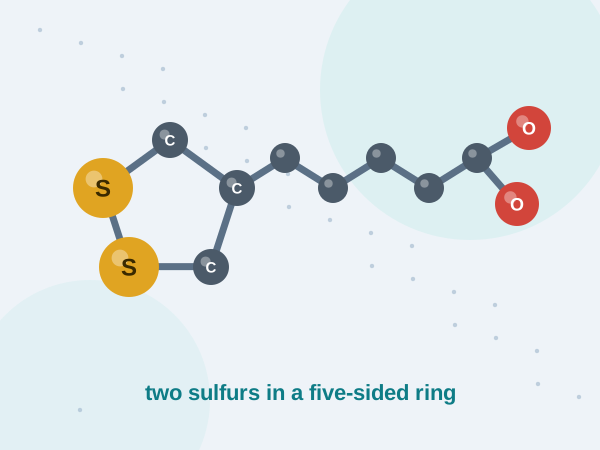
It also answers a common question: is Synaptril a nootropic? Its six blend ingredients are magnesium glycinate, alpha lipoic acid, butcher's broom, L-carnitine, turmeric and CoQ10. None is a classic nootropic such as bacopa or ginkgo, and several are better known from heart, nerve or vein research.
The ingredient-by-ingredient view sits on the Synaptril ingredients page.
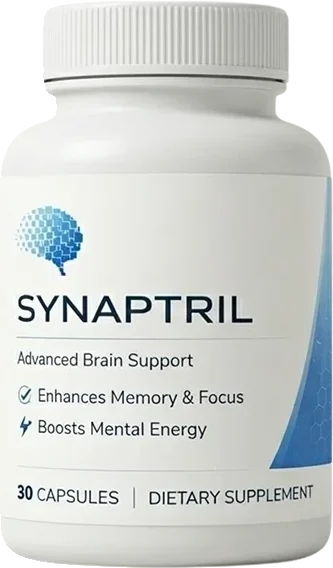
Synaptril: from $49 a bottle30 capsules · 2, 3 or 6 bottles · free shipping on 3 or 6 · 60-day guarantee
See packsHabits06
What does the brain health habits guide cover?
It covers the everyday habits with the strongest evidence: activity, sleep, hearing, blood pressure and staying social.
Sources: Lancet Commission (Lancet Commission 2024, Dementia), HHS (HHS, Physical Activity Guidelines), CDC (CDC, About Sleep).
Comparisons07
How do the comparison pages help you choose?
The comparison pages set Synaptril's label beside other options, line by line. They describe what each product lists, not which one to buy.
Synaptril vs other brain supplements reads other brands' public labels in a neutral way. Capsules, drops or gummies explains how the format changes the dose you get. Synaptril itself is a capsule, not drops or gummies.
Brands side by side
What each label shows, how open the doses are, and how many capsules a day. Read Synaptril vs other brain supplements.
Forms side by side
How the three formats differ in what a label can hold and show. Read capsules, drops or gummies.
Weighing whether the seller can be trusted? The is Synaptril legit page checks each trust signal.
Guides and blog08
How are guides different from blog posts here?
Guides are the long-lasting reference pages; blog posts answer narrower questions. Guides are kept current, while a post covers one search question in depth and links back to the guide it builds on.
For example, the memory and aging guide explains normal changes, while a post might take one question, such as sleep and memory, and go further. New posts appear on the Synaptril blog.
Both follow the same rules: a named source for every health line, US dates and units, and no unverified reviews. Each guide shows the date it was last checked, currently October 18, 2026.
Write to [email protected] with the question you wanted answered. We read every message and add guides where the evidence is strong enough to say something useful.
FAQ09
Questions about the guides
Are the guides written for a US audience?
Yes. They use US dates, US units alongside metric where it helps, and US sources such as NIH, CDC, FDA and HHS. Emergency advice uses 911. Readers elsewhere can still use the evidence, but local rules on supplements and medicines may differ.
Do the guides recommend Synaptril?
No. The guides explain memory, brain fog, medicines and habits. Where Synaptril appears, it is to show how its label compares with the research. The capsule's own pages cover its ingredients, price and guarantee, with every weak spot listed.
Which guide should I read if I take a blood thinner?
Read supplements and medicines first. It explains why CoQ10 may counteract warfarin and which other ingredients can matter with diabetes drugs, antibiotics and osteoporosis medicines. Then bring the label to your doctor or pharmacist before starting anything new.
Is there a guide on whether memory loss is normal?
Yes, memory and aging. It explains which changes are common with age, such as needing longer to recall a name, and which signs deserve a doctor visit. It also lists treatable causes, including low vitamin B12, thyroid problems, depression and some medicines.
Who writes the brain health guides?
The Synaptril label desk at Getsynaptril writes them from public health sources. A named medical reviewer has not been confirmed yet, so the byline shows an empty reviewer slot. Our sourcing and grading rules are listed in the editorial standards.
How often are the guides updated?
Whenever a cited source changes or a reader reports an error. Each guide shows the date it was last checked. The current check was completed on October 18, 2026, and changes are made in place rather than in separate update notes.
Who wrote this10
Written and reviewed by
Pages built from the label, the sales page and linked NIH, FDA, CDC, FTC and peer-reviewed sources.
Last updated . See our editorial standards and how we check reviews. This website is run by Getsynaptril, a stocked U.S. Synaptril counter, not by the manufacturer or the distributor. We are paid when you buy through our order links.
Keep reading
More Synaptril pages
Stocked U.S. Synaptril counter
Ready to try Synaptril?
Check your medicines first, then pick a pack. Three or six bottles ship free and cost less per bottle, and every pack carries the 60-day money-back guarantee.
- Secure BuyGoods checkout
- 60-day money-back guarantee
- Ships from the U.S.