Guide
Memory and Aging: Normal Changes, Warning Signs and Treatable Causes
Memory and aging go together in a mild way: most people need more time to learn and recall new things as they get older. Normal aging does not cause dramatic memory loss. Problems that disrupt daily life, get worse, or start suddenly are worth a doctor visit, because many causes, such as low vitamin B12, thyroid disease or medicines, can be treated.
Written by the Synaptril label deskUpdated
First things first01
What memory changes are normal with aging?
Normal memory changes with aging are small and slow: learning a new skill takes longer, and a name or word may come back a few minutes late.
MedlinePlus describes some forgetfulness as a normal part of getting older. Needing more time to take in or recall new material is typical. What normal aging does not bring is dramatic memory loss (MedlinePlus, Memory loss).
The Alzheimer's Association gives a simple example. Forgetting a name or an appointment now and then, and remembering it later, is a typical age-related change (Alzheimer's Assoc., 10 early signs).
| Area | Common with age | Worth a doctor visit |
|---|---|---|
| Names and dates | Forgetting a name, then recalling it later | Memory loss that disrupts daily life |
| Planning | Taking a bit longer to set up a new phone | New trouble planning or solving problems |
| Familiar tasks | Needing a note for a recipe you rarely cook | Difficulty finishing tasks done many times before |
| Time and place | Mixing up the day of the week, then working it out | Confusion about time or place |
| Belongings | Misplacing glasses and retracing your steps | Losing things and not being able to retrace steps |
Right column adapted from the Alzheimer's Association's 10 signs (Alzheimer's Assoc., 10 early signs).
Try it02
Is forgetting names normal as you get older?
Yes. Forgetting a name and remembering it later is one of the most common memory changes with age, and on its own it is not a warning sign.
One missed bill in a busy month is ordinary. Struggling with bills that used to be easy, month after month, is different.
Sort the eight examples below into "common with age" or "worth a doctor visit".
Forgetting a name, then remembering it later
Losing the car keys now and then
Getting lost on a familiar drive home
Taking longer to learn a new app
Asking the same question again and again
Trouble with bills that used to be easy
Missing a monthly payment once
Changes in mood or personality that others notice
Sort all eight to see your score.
Examples adapted from the National Institute on Aging (MedlinePlus, Memory loss) and the Alzheimer's Association (Alzheimer's Assoc., 10 early signs). A sorting game, not a test: only a doctor can tell what is behind memory changes.
The difference03
What is the difference between normal aging and dementia?
The difference is daily life. Normal aging slows recall a little; dementia causes memory and thinking problems that get in the way of ordinary tasks and keep getting worse.
The Alzheimer's Association lists ten early signs. They include memory loss that disrupts daily life, confusion with time or place, poor judgment, withdrawal from work or social life, and changes in mood or personality (Alzheimer's Assoc., 10 early signs). Even one sign is a reason to see a doctor. Early checks can open up treatment options.
What is mild cognitive impairment?
Mild cognitive impairment, or MCI, is a term doctors use for memory or thinking changes beyond typical aging. A person with MCI still manages daily life. Studies of supplements in people with MCI have not shown a clear benefit: a Cochrane review found no evidence that vitamin E prevents progression from MCI to dementia (NCCIH, Supplements and cognition).
Treatable causes04
Which treatable problems can cause memory loss in older adults?
Memory loss in older adults has many possible causes besides dementia, and several of them can be treated once they are found.
MedlinePlus lists alcohol, medicines and drug misuse, and low vitamin B1 or B12. Depression, head injury, stroke, brain infections and cancer treatment are on the list too (MedlinePlus, Memory loss). A doctor may order blood tests for thyroid disease when it is suspected.
A provider will ask whether the change came on suddenly or slowly.
Vitamins
Low vitamin B1 or B12 can affect memory (MedlinePlus, Memory loss). Correcting a measured shortfall is the one area where expert panels support targeted nutrients (AARP GCBH, Brain health supplements).
Medicines and alcohol
Prescription medicines, drug misuse and alcohol are on the list of causes (MedlinePlus, Memory loss).
Mood and health
Depression, thyroid disease, head injury and stroke can all show up as memory trouble (MedlinePlus, Memory loss).
If you suspect a medicine is behind memory changes, do not stop it or change the dose on your own. Ask the doctor who prescribed it. Sudden confusion, trouble speaking or weakness on one side of the body is an emergency: call 911.

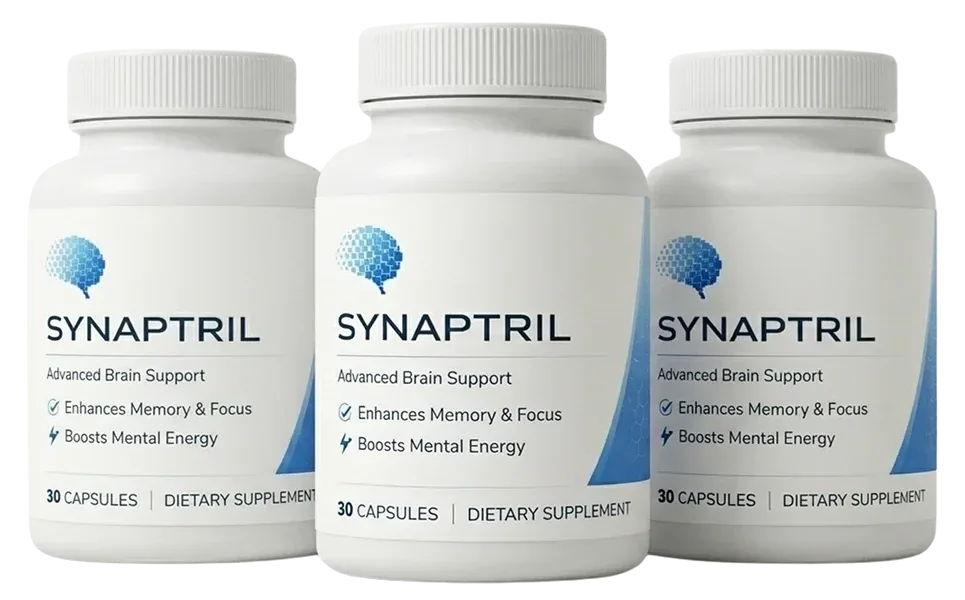
Synaptril: from $49 a bottle30 capsules · 2, 3 or 6 bottles · free shipping on 3 or 6 · 60-day guarantee
See packsWhen to go05
When should memory problems be checked by a doctor?
Memory problems should be checked by a doctor when they disrupt daily life, are getting worse, or started suddenly.
Mayo Clinic advises seeing a healthcare professional if memory loss affects daily activities or keeps getting worse (Mayo Clinic, Memory tips).
A few notes make a short visit far more useful.
Note what changed
Give two or three real examples, with rough dates. "Got lost driving to my sister's house in May" helps more than "my memory is bad".
List everything you take
Prescriptions, over-the-counter pills, vitamins and supplements, with doses. Supplements can interact with medicines (NIH ODS, Supplements: What to know).
Mention sleep, mood and drinking
Poor sleep, low mood and alcohol all affect memory and are easy to leave out.
Bring someone along
A partner or friend can add what they have seen and help you remember the plan.
What helps06
Can memory improve after 60?
Habits can help memory after 60. They carry far better evidence than any pill.
Adults should aim for 150 to 300 minutes of moderate activity a week. Add muscle work on two days. Regular activity lowers the long-term risk of dementia and improves sleep (HHS, Physical Activity Guidelines). CDC adds that good sleep supports attention and memory, and recommends 7 to 8 hours a night for people 65 and older (CDC, About Sleep).
Mayo Clinic's memory tips include staying mentally active, spending time with others, staying organized and managing blood pressure, diabetes, depression and hearing loss (Mayo Clinic, Memory tips).
More detail is in our brain health habits guide.
Supplements07
Do supplements help age-related memory loss?
No supplement has been shown to prevent or slow age-related memory decline. That includes ginkgo, omega-3s, vitamin E and B vitamins.
NCCIH found no supplement with conclusive evidence. A trial of ginkgo in more than 3,000 older adults did not lower dementia rates (NCCIH, Supplements and cognition). The AARP-convened Global Council on Brain Health does not recommend any supplement for brain health (AARP GCBH, Brain health supplements).
Synaptril is a once-a-day capsule with 80 mg of magnesium and a 575 mg blend. The bottle says "Enhances Memory & Focus*", but no trial has tested the capsule. The blend math is on the ingredients page.
Before you add any supplement
Ask your doctor or pharmacist first if you take a blood thinner, diabetes medicine, antibiotics or an osteoporosis drug. CoQ10 may counteract warfarin (MSKCC, Coenzyme Q10), and magnesium can block the absorption of some antibiotics and bisphosphonates if taken together (NIH ODS, Magnesium). See supplements and medicines for the full list.

FAQ08
Memory and aging questions
Which vitamin deficiencies can affect memory?
Low vitamin B1 (thiamine) and low vitamin B12 are both listed as causes of memory loss (MedlinePlus, Memory loss). A simple blood test can check B12. Taking B vitamins without a deficiency has not shown a memory benefit in trials lasting 6 to 24 months (NCCIH, Supplements and cognition).
How common is worry about memory after 45?
Quite common. CDC data show about 1 in 9 adults aged 45 and older report worsening memory or confusion. Half said it made housework, work or social life harder, yet fewer than half had raised it with a health professional (CDC, Subjective cognitive decline).
Can stress or low mood make memory worse?
Yes. Depression and other mental health conditions are listed causes of memory loss (MedlinePlus, Memory loss). They are also treatable. Telling a doctor about low mood, worry or poor sleep can matter as much as describing the memory slips themselves.
Can hearing loss affect memory as you age?
It can play a part. The 2024 Lancet Commission lists hearing loss among 14 changeable risk factors for dementia (Lancet Commission 2024, Dementia), and CDC notes that hearing aids may reduce dementia risk (CDC, Reducing risk for dementia). A hearing test is a quick, low-cost step worth taking.
Is it normal to rely on lists and reminders after 60?
Yes, and it is a smart habit, not a bad sign. Mayo Clinic lists staying organized among its memory tips (Mayo Clinic, Memory tips). It becomes a concern only when lists no longer keep daily life on track.
Does Synaptril treat memory loss?
No. Synaptril is a dietary supplement, and the label's FDA statement says it is not intended to diagnose, treat, cure or prevent any disease. No trial has tested the capsule. Anyone with new memory problems should see a doctor first (MedlinePlus, Memory loss).
Who wrote this09
Written and reviewed by
Pages built from the label, the sales page and linked NIH, FDA, CDC, FTC and peer-reviewed sources.
Last updated . See our editorial standards and how we check reviews. This website is run by Getsynaptril, a stocked U.S. Synaptril counter, not by the manufacturer or the distributor. We are paid when you buy through our order links.
Keep reading
More Synaptril pages
Stocked U.S. Synaptril counter
Ready to try Synaptril?
Check your medicines first, then pick a pack. Three or six bottles ship free and cost less per bottle, and every pack carries the 60-day money-back guarantee.
- Secure BuyGoods checkout
- 60-day money-back guarantee
- Ships from the U.S.