Blog
Sleep and Memory: How Rest Supports Learning
Sleep and memory go together: CDC says good sleep supports attention and memory. Adults aged 18 to 60 need 7 or more hours a night. A steady schedule, a cool and quiet room and no screens for 30 minutes before bed are the best-supported habits. No capsule replaces sleep.
Written by the Synaptril label deskUpdated · 4 min read
The link01
How are sleep and memory connected?
Sleep and memory are closely linked. CDC says good sleep supports attention and memory, along with mood and heart and metabolic health (CDC, About Sleep).
When sleep runs short, foggy thinking is one of the first signs. Short sleep is a common cause of brain fog (Cleveland Clinic, Brain fog).
The point is simple: protect your sleep and your thinking has a better chance. Slow changes with age are a separate topic, covered in memory and aging.
Hours02
How much sleep do adults need for memory?
Adults aged 18 to 60 need 7 or more hours a night. The range shifts slightly after 60 (CDC, About Sleep).
| Age | Hours a night |
|---|---|
| 18 to 60 | 7 or more |
| 61 to 64 | 7 to 9 |
| 65 and older | 7 to 8 |
A worked example: if you wake at 6:30 a.m. and need 7 hours, lights out is 11:30 p.m. at the latest, and a little earlier leaves time to fall asleep. Mayo Clinic cites 7 to 9 hours for adults (Mayo Clinic, Memory tips).
Habits03
What sleep habits protect memory?
Keep a steady schedule, a cool and quiet bedroom, and screens off 30 minutes before bed. CDC also advises avoiding large meals, alcohol and late caffeine (CDC, About Sleep).
Fix your wake time
Pick one and keep it, even on days off.
Cool and quiet
Make the room dark, calm and on the cool side.
Screens off
Put them away for the last 30 minutes.
Watch the evening
Skip big meals, alcohol and late caffeine.
More ideas sit in our brain health habits guide.
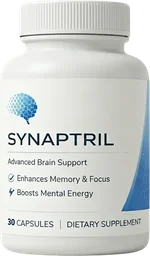
Synaptril: from $49 a bottle30 capsules · 2, 3 or 6 bottles · free shipping on 3 or 6 · 60-day guarantee
See packsSupplements04
Can a supplement replace sleep for memory?
No. No capsule replaces sleep, and no source on our desk says a supplement can make up for it.
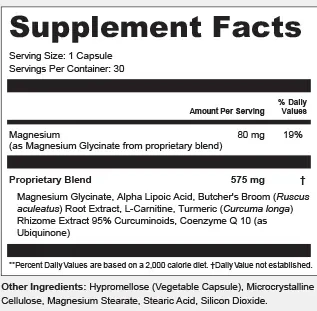
Synaptril lists no sleep claim and no stimulants such as caffeine. It holds 80 mg of magnesium and a 575 mg blend with no single amounts printed. The label gives no time of day for the capsule. If you take a medicine, ask your pharmacist first, because magnesium can interact with some drugs (NIH ODS, Magnesium).
Never stop or change a sleep or other prescription because of a supplement. Ask your prescriber.
When to go05
When should poor sleep and memory problems be checked?
Talk to a provider if poor sleep persists despite good habits (CDC, About Sleep). Also go if memory trouble is new or worsening (MedlinePlus, Memory loss).
Both have causes a doctor can test for and treat. Sudden confusion or trouble speaking needs a 911 call.
FAQ06
Sleep and memory questions
Does one bad night of sleep hurt memory?
It can make you foggy the next day. Short sleep is a common cause of brain fog, and CDC says good sleep supports attention and memory (Cleveland Clinic, Brain fog) (CDC, About Sleep). One bad night usually passes once you sleep normally again.
Can you catch up on sleep over the weekend?
Our sources do not say. CDC advises a consistent schedule, which a big weekend swing breaks (CDC, About Sleep). A steady wake time most days is the best-supported approach.
Why does CDC say to turn screens off before bed?
CDC lists turning off screens 30 minutes before bed as a helpful habit for sleep. It sits beside a cool, quiet room and avoiding large meals, alcohol and late caffeine (CDC, About Sleep).
Do older adults need less sleep for memory?
The recommended range narrows slightly: 7 to 9 hours for ages 61 to 64, and 7 to 8 hours from 65 on. It does not drop sharply (CDC, About Sleep). Poor sleep that persists is worth discussing with a provider.
Does exercise help sleep and memory?
Physical activity can improve sleep quality and lowers long-term dementia risk in adults, according to HHS. The goal is 150 to 300 minutes of moderate activity a week (HHS, Physical Activity Guidelines). Do not exercise hard right before bed if it keeps you up.
Is magnesium a sleep aid for better memory?
We found no source that says so. The label for Synaptril makes no sleep claim, and a 2024 review found too few magnesium trials to judge thinking (Chen 2024, Magnesium and cognition). Fix habits first and ask a doctor about any supplement.
Who wrote this07
Written and reviewed by
Pages built from the label, the sales page and linked NIH, FDA, CDC, FTC and peer-reviewed sources.
Last updated . See our editorial standards and how we check reviews. This website is run by Getsynaptril, a stocked U.S. Synaptril counter, not by the manufacturer or the distributor. We are paid when you buy through our order links.
Keep reading
More Synaptril pages
Stocked U.S. Synaptril counter
Ready to try Synaptril?
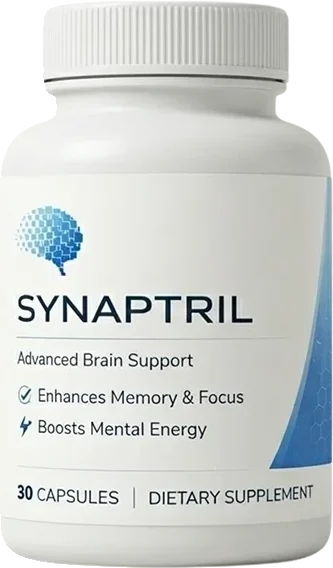
Check your medicines first, then pick a pack. Three or six bottles ship free and cost less per bottle, and every pack carries the 60-day money-back guarantee.
- Secure BuyGoods checkout
- 60-day money-back guarantee
- Ships from the U.S.